Resources

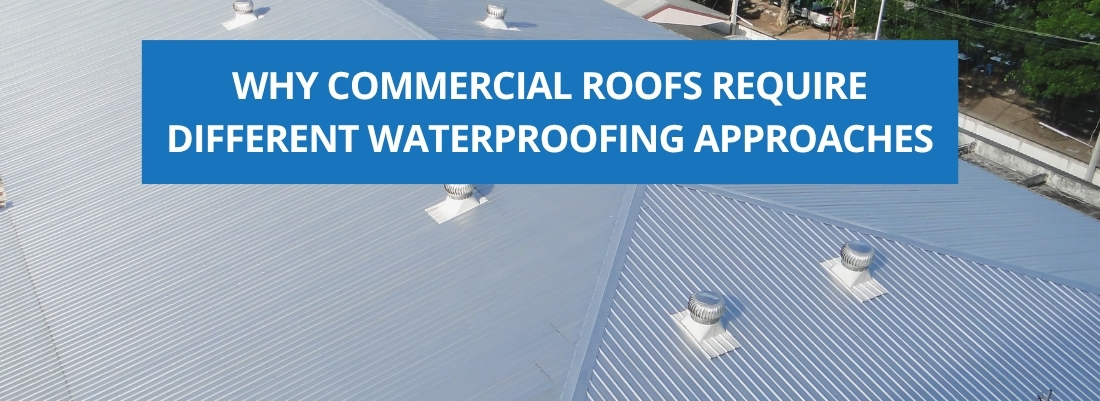
Short answer: Commercial roofs often have larger surface areas, more penetrations, heavier equipment, greater foot traffic and more complex drainage requirements than residential roofs. Waterproofing therefore needs to be selected according to the roof structure, substrate, exposure, usage and maintenance requirements rather than relying on a one-size-fits-all coating.   Introduction
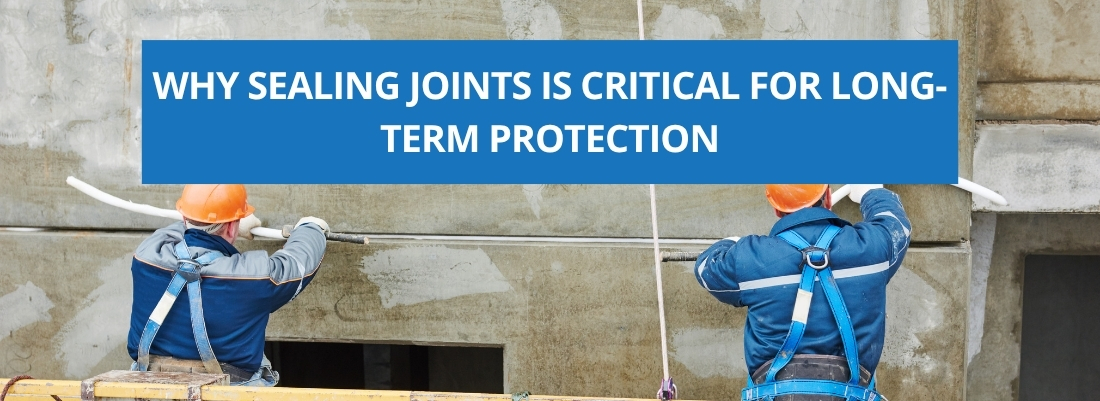
Short answer: Sealing joints helps prevent water from entering through gaps where building materials meet. A properly selected and installed joint seal can accommodate movement, reduce water penetration, and protect surrounding structures from moisture-related damage over the long term.   Introduction Joints are an essential part of many buildings and

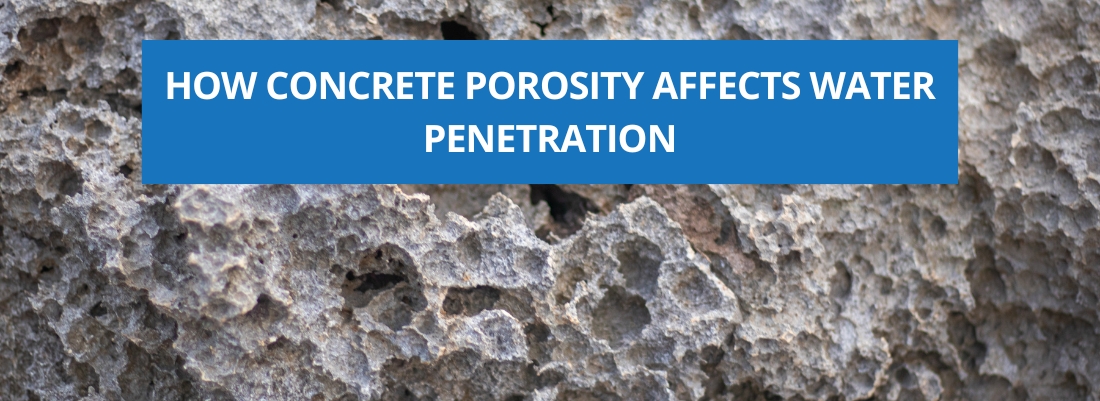
Concrete is often viewed as a solid, waterproof building material. However, many property owners are surprised to learn that concrete is naturally porous. Even well-constructed concrete contains microscopic pores, capillaries, and tiny voids that can allow water to move through the structure over time. Understanding how concrete porosity affects water

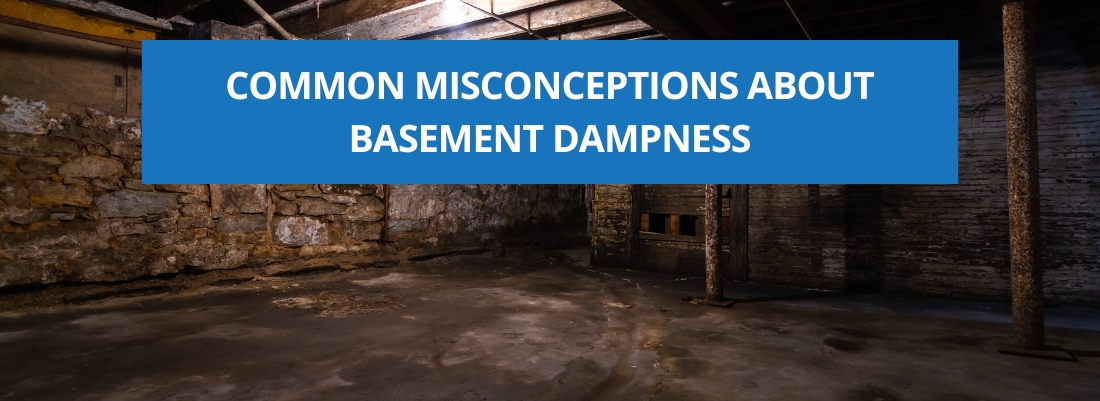
Basement dampness is often misunderstood. Many property owners assume that a damp basement is normal, harmless, or simply a cosmetic issue. In reality, persistent moisture can lead to structural deterioration, mould growth, unpleasant odours, and costly repairs if left untreated. Whether you’re managing a residential property, commercial building, or landed

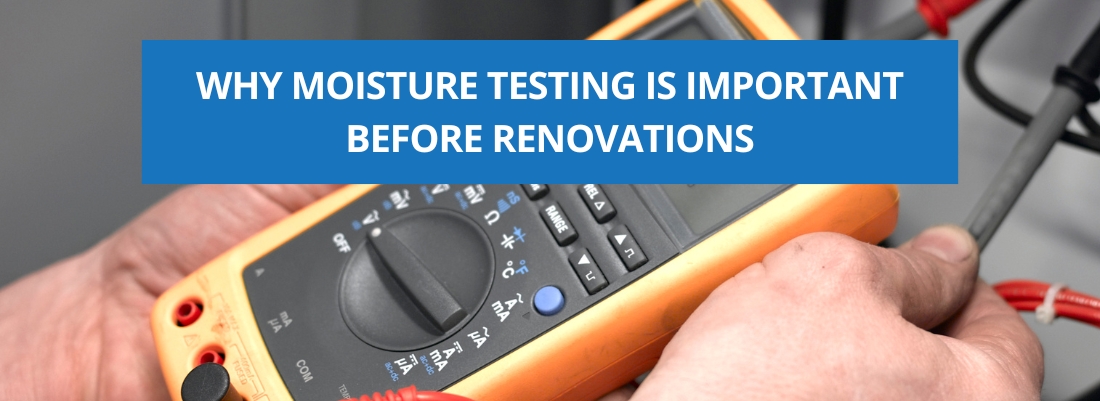
Renovations are often exciting projects that transform a property into a more functional, comfortable, and visually appealing space. However, beneath freshly painted walls, new flooring, and upgraded finishes, hidden moisture problems can create costly issues if they are not identified early. Many renovation defects that appear months after project completion

Enquire Now
close slider