

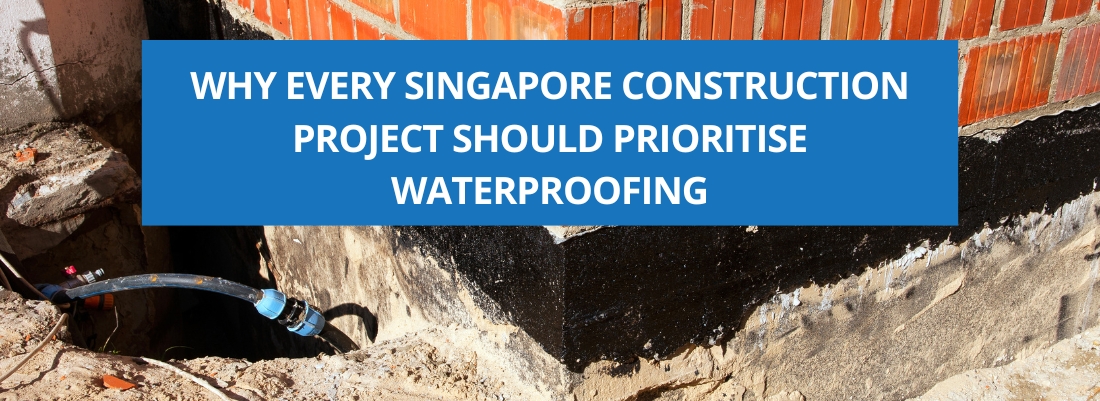
18 Jun Why Every Singapore Construction Project Should Prioritise Waterproofing
Waterproofing is an essential aspect of any construction project. It refers to the process of making a structure or building water-resistant, ensuring that it remains free from any water damages caused by moisture penetration. In Singapore, where rain showers are frequent and humidity levels are high throughout the year, waterproofing should be given utmost priority in every construction project.
Today, we will discuss why waterproofing should be a top consideration for every construction project in Singapore.
What is Waterproofing?
Waterproofing is the process of making a structure or building water-resistant, protecting it from any potential water damage. This involves creating a barrier or sealant on the surface of the structure to prevent moisture from seeping in.
The materials used for waterproofing can vary, depending on the type of structure and its location. Some common materials include bitumen, liquid membranes, and cementitious coatings.
Waterproofing & Singapore’s Climate
Singapore is known for its tropical climate, with high levels of humidity and frequent rain showers. This makes waterproofing a crucial aspect in the construction and maintenance of buildings and structures in the country.
The hot and humid climate can cause moisture to seep into structures, leading to mould growth, structural damage, and other issues. Therefore, proper waterproofing measures must be taken in order to prevent these problems from occurring.
Reasons Why Waterproofing In Construction is Important
There are several reasons why waterproofing is an important aspect of construction. Some of the main reasons include:
1) Preventing Water Damage
One of the primary reasons why waterproofing should be prioritised in Singapore construction projects is to prevent water damage. The country experiences heavy rainfall almost daily, which can lead to water seeping into buildings through cracks and gaps.
This can cause structural damage, mould growth, and other issues that can be costly to repair. By prioritising waterproofing measures, construction projects can ensure the longevity and durability of their buildings.
2) Protecting Against Flooding
Singapore is an island nation prone to flooding during heavy rainfalls or high tides. This makes it essential for construction projects to have proper waterproofing systems in place to prevent water from entering the building and causing damage.
With a well-designed waterproofing system, buildings can withstand heavy rainfall and potential flooding, providing peace of mind for residents or occupants.
3) Long Term Cost Saving
Waterproofing not only protects buildings against damage and flooding, but it also helps to save costs in the long run.
By investing in a high-quality waterproofing system during the construction phase, building owners can avoid expensive repairs or replacements caused by water damage in the future. This can ultimately lead to cost savings over time and increase the lifespan of the building.
4) Compliance with Building Regulations
In Singapore, there are stringent building regulations that require all structures to have adequate waterproofing measures in place. The Building and Construction Authority (BCA) sets these regulations, which oversees the construction industry in Singapore.
To comply with building regulations, waterproofing systems must meet certain standards and undergo rigorous testing to ensure their effectiveness. This ensures that all buildings in Singapore are able to withstand heavy rainfall and potential flooding.
Key Areas That Require Waterproofing in Construction
There are several key areas in construction that require waterproofing measures to be implemented. These include:
- Roofs and terraces
- Basements and underground structures
- Bathrooms, wet rooms, kitchens
- External walls and balconies
- Water tanks, planters, and podiums
- Swimming pools and fountains
These areas are particularly susceptible to water ingress and leakage, thus making it vital for waterproofing solutions to be applied.
Best Practices for Implementing Waterproofing in Construction
To ensure long-term performance and protection, waterproofing must be planned and executed with precision. Key best practices include:
- Engage waterproofing specialists early in the design phase to integrate solutions seamlessly into the construction plan.
- Select the right waterproofing system based on the specific area—membrane, cementitious, or polyurethane (PU)—to suit environmental exposure and building function.
- Conduct regular quality checks and maintain consistent site supervision to catch potential issues before they escalate.
- Prioritise skilled workmanship and ensure the use of certified, high-quality materials to avoid premature failure and ensure compliance with industry standards.
By following these practices, developers and contractors can avoid costly repairs, reduce long-term maintenance, and deliver a higher quality, more durable build.
Takeaway
To conclude, waterproofing solution is an essential aspect of construction that should not be overlooked or underestimated. It plays a vital role in protecting buildings, structures, and their inhabitants from water damage and the associated risks.
By understanding the causes of water infiltration, conducting thorough site assessments, implementing effective waterproofing strategies and practices, and prioritising skilled workmanship and quality materials, developers and contractors can ensure long-term durability and success for their builds.

Sorry, the comment form is closed at this time.